When was the last time you visited a dentist?
Not because of pain.
Not because a filling came off.
Not because food got stuck.
Just… to make sure everything was healthy.
For many people, the answer is:
“I don’t remember.”
And honestly, it’s understandable.
If your teeth aren’t hurting, they probably seem fine.
But here’s something that surprises many patients:
Most dental problems begin silently.
Plaque doesn’t hurt.
Biofilm doesn’t hurt.
Early gum disease usually doesn’t hurt.
Small cavities often don’t hurt.
By the time pain appears, the problem has usually progressed beyond its earliest stage.
That’s why dentists don’t measure oral health by pain alone.
They look for problems long before your body starts complaining.
Pain Is a Late Warning Sign
Imagine never servicing your car until smoke starts coming out of the engine.
Most of us wouldn’t do that.
Yet that’s exactly how many people treat their teeth.
Dentistry is different from many other parts of the body.
A cavity can grow quietly.
Plaque can build up gradually.
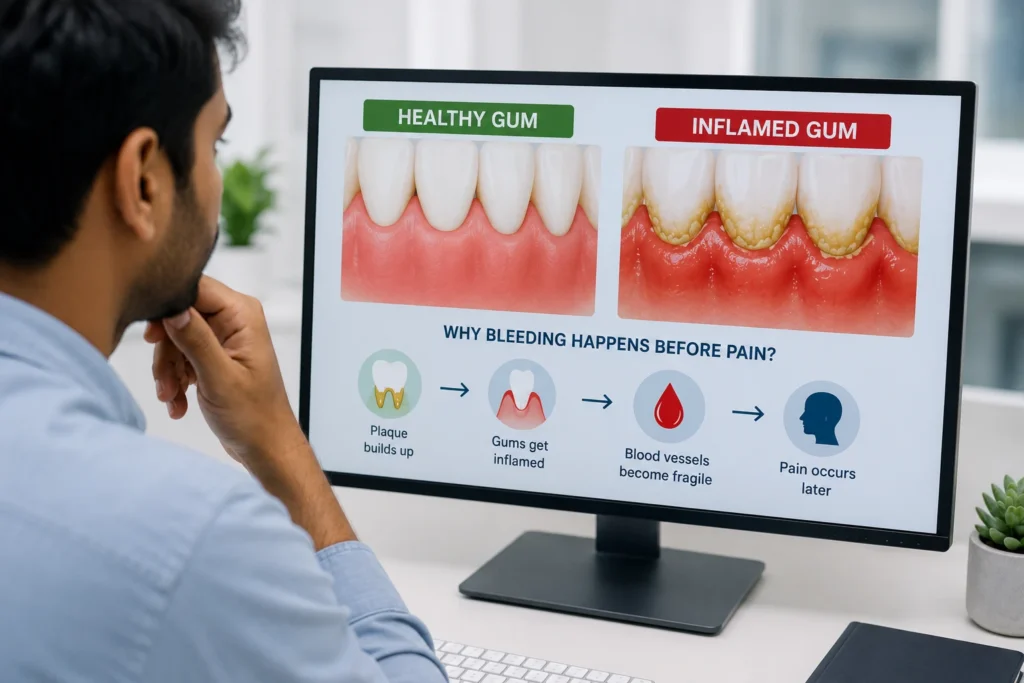
Gums can become inflamed without causing significant discomfort.
By the time severe pain develops, treatment is often more extensive than it would have been months earlier.
This is one of the biggest reasons dentists recommend routine check-ups and professional cleaning even when your mouth feels perfectly normal.
What Is Plaque? And Why Doesn’t Brushing Remove All of It?
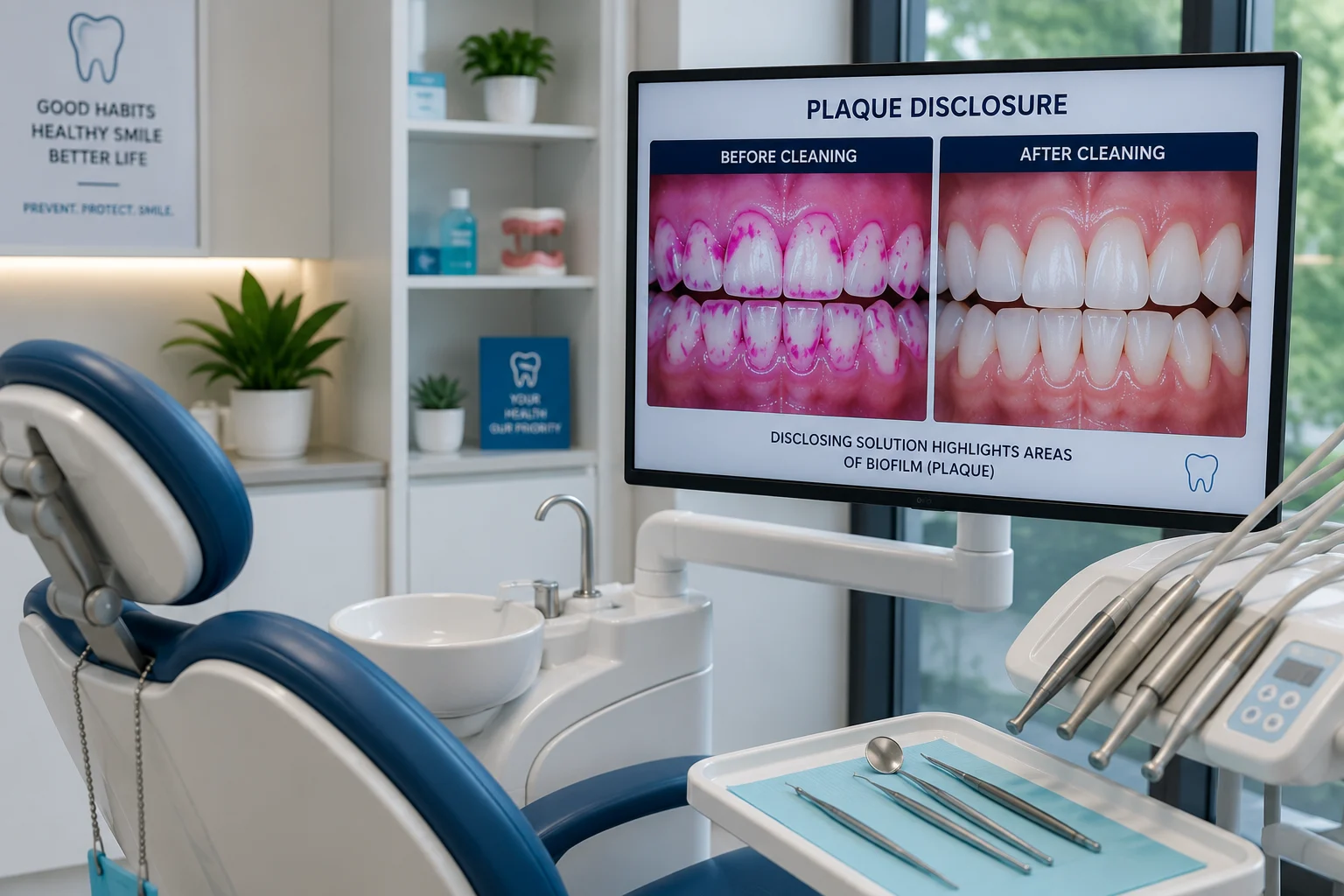
Every day, a thin sticky layer of bacteria forms on your teeth.
This layer is called dental plaque, and as it matures, it becomes a structured community known as biofilm.
Biofilm isn’t just food debris.
It’s a living bacterial layer that continuously interacts with your gums and teeth.
Daily bru/shing and flossing play a vital role in controlling it.
However, some areas are difficult to clean consistently, especially:
- Between teeth
- Around crowded teeth
- Near the gumline
- Around dental implants or braces
- Behind the last molars
Over time, plaque can harden into tartar (calculus), which cannot be removed with a toothbrush at home.
Why Professional Teeth Cleaning Matters
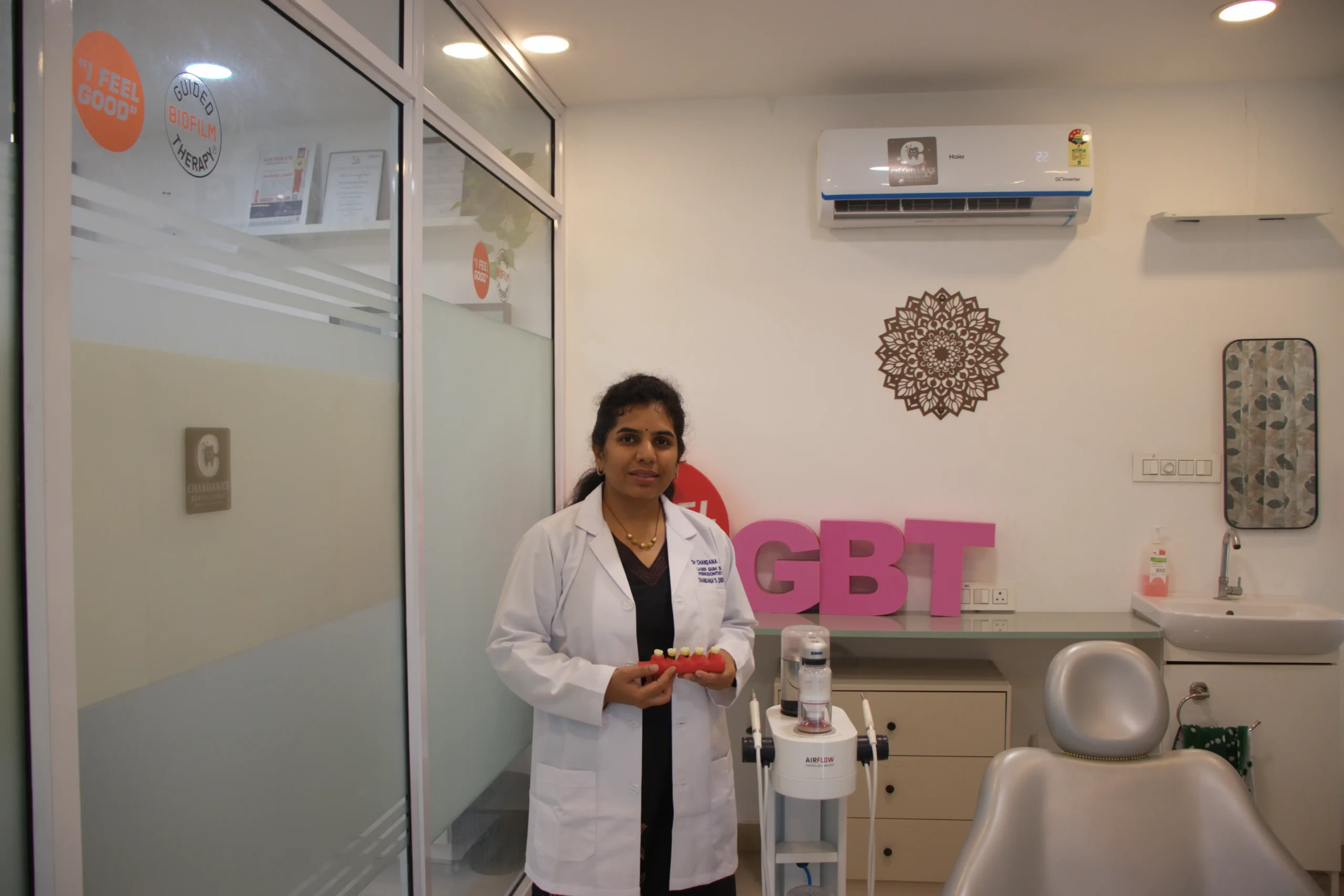
Professional teeth cleaning isn’t simply about making teeth look whiter.
Its primary purpose is to remove plaque, biofilm and tartar from areas that routine home care cannot adequately reach.
Regular professional cleaning may help:
- Reduce plaque accumulation
- Support healthier gums
- Lower the risk of gingivitis
- Help manage bad breath associated with plaque
- Make daily oral hygiene more effective
For many people, it is one of the simplest preventive steps they can take for long-term oral health.
“But My Teeth Don’t Hurt…”
This is one of the most common statements dentists hear.
The challenge is that many oral conditions progress quietly.
For example:
| Condition | May Cause Pain Initially? |
| Early cavities | Often no |
| Plaque build-up | No |
| Gingivitis | Usually no |
| Early gum disease | Often no |
| Tartar deposits | No |
Pain often appears later, when inflammation or damage has progressed further.
Waiting for pain before visiting the dentist is similar to waiting for a leaking roof to collapse before repairing it.
Does Teeth Cleaning Damage Enamel?
This myth has existed for years.
Professional teeth cleaning removes plaque and hardened deposits from the tooth surface.
It does not remove healthy enamel.
Some people notice temporary sensitivity afterwards, particularly if tartar had been covering exposed root surfaces, but this is different from enamel damage.
If you have concerns, discussing them with your dentist before the procedure is always worthwhile.
Modern Dentistry Has Changed: Understanding GBT
Many people still imagine teeth cleaning as an uncomfortable scraping procedure.
Modern preventive dentistry has evolved.
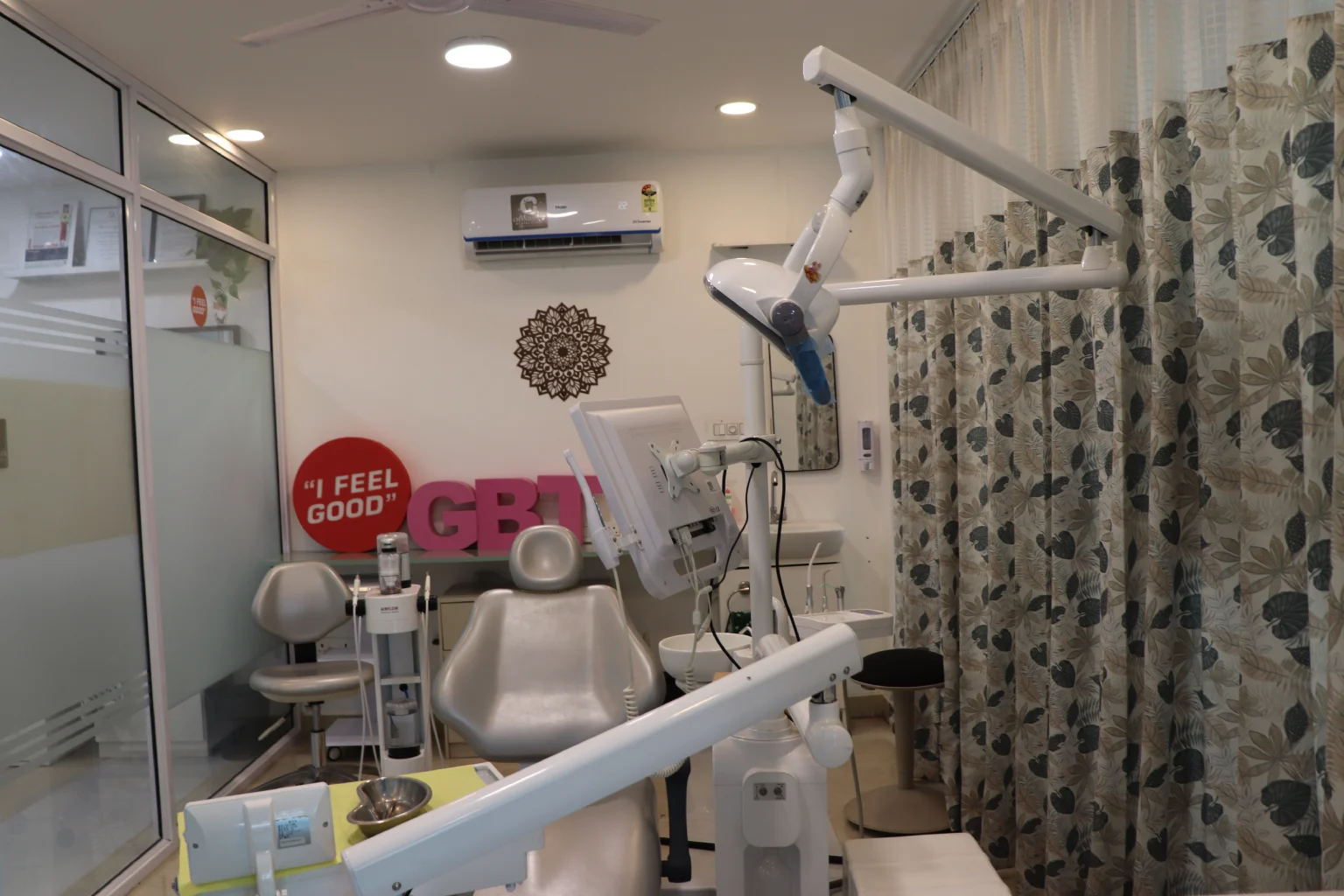
One approach used in suitable patients is Guided Biofilm Therapy (GBT).
Rather than focusing only on removing visible deposits, GBT follows a structured process to identify and remove dental biofilm using specialised technology and minimally invasive techniques.
Your dentist will determine whether this approach is appropriate based on your oral health needs.
How Often Should You Get Professional Teeth Cleaning?
There isn’t one schedule that suits everyone.
The ideal frequency depends on factors such as:
- Oral hygiene habits
- Gum health
- Smoking
- Diabetes
- Orthodontic treatment
- Dental implants
- Previous gum disease
Some people benefit from more frequent maintenance, while others may require less frequent visits.
Your dentist can recommend an interval based on your individual risk profile.
Signs You Shouldn’t Ignore
Even if you don’t have pain, consider booking a dental check-up if you notice:
- Bleeding while brushing
- Persistent bad breath
- Yellow or brown deposits near the gums
- Gum swelling
- Food getting stuck between teeth
- Teeth feeling rough
- Sensitivity that doesn’t improve
These symptoms don’t always indicate serious disease, but they deserve professional evaluation.
Prevention Costs Less Than Repair
One filling is usually simpler than a root canal.
One routine cleaning is generally easier than treating advanced gum disease.
One early consultation is often less complicated than replacing a lost tooth.
The most valuable dental treatment is frequently the one that prevents a larger problem from developing in the first place.
Practical Takeaways
✔ Healthy-looking teeth don’t always mean healthy gums.
✔ Plaque and biofilm often develop without pain.
✔ Brushing is essential, but professional cleaning removes deposits that home care cannot.
✔ Regular dental check-ups help identify problems before they become more complex.
✔ Preventive dentistry focuses on preserving natural teeth—not just treating disease.
Conclusion
Pain is an important warning sign—but it isn’t the first one.
Many dental conditions develop quietly, giving you an opportunity to prevent rather than repair.
If it’s been a while since your last dental visit, a professional examination and cleaning can help assess your oral health before small concerns become bigger ones.
For people living in Kompally, Suchitra, Jeedimetla, Medchal, Alwal, Bowenpally, Kandlakoya and other parts of North Hyderabad, regular preventive dental care is one of the simplest investments you can make in your long-term oral health.
FAQs
1. Do I need teeth cleaning if I brush twice a day?
Yes. Brushing is essential, but professional cleaning removes hardened deposits and biofilm from areas that are difficult to clean at home.
2. How often should professional teeth cleaning be done?
The frequency varies depending on your oral health, gum condition and individual risk factors. Your dentist can recommend an appropriate schedule.
3. Is teeth cleaning painful?
Many patients tolerate professional cleaning well. Modern approaches such as GBT aim to improve comfort where appropriate, although the experience varies depending on individual oral health.
4. Does teeth cleaning weaken teeth?
No. Professional cleaning removes plaque and tartar—it does not remove healthy tooth enamel.
5. Why do my gums bleed while brushing?
Bleeding gums may indicate inflammation and should be evaluated by a dentist rather than ignored.
6. Can professional cleaning remove bad breath?
If bad breath is related to plaque and gum disease, professional cleaning may help as part of appropriate treatment.
7. Is GBT suitable for everyone?
GBT may be appropriate for many patients, but your dentist will determine the most suitable cleaning approach based on your oral condition.
8. Can children undergo professional teeth cleaning?
Yes. Preventive dental care can be appropriate for children, depending on their oral health needs.